Tenant improvements are essential for transforming your leased space into a functional, comfortable and brand-aligned environment. Whether you’re opening a dental clinic, retail shop, or office in Metro Vancouver, a well-executed design and build out can improve workflow, client experience, and overall satisfaction.To help you navigate the process, here’s a practical guide of dos and don’ts for your next tenant improvement project.

DO: Carefully evaluate your space requirements
A solid foundation of your needs is necessary before even beginning to evaluate potential spaces. It’s too easy to get focused on space size and rent costs,but what about the systems needed for your business to operate smoothly?
· Choose an area with zoning which matches your business type. Whether it’s a commercial space or a retail shop, there are specific areas and buildings that match your business needs.
· Know your operational requirements.Do you need phase 3 power? High speed internet? Or maybe access to natural gas or a loading dock.
· Ensure your customers can get to you.if they need vehicle parking, bike parking or transit access, choose a location that helps meets their needs.
· Support your staff. If your team requires certain amenities like showers, a kitchen or bike storage,make sure you know these requirements.
DON’T start your tenant improvement project without a good foundation of your needs.
You need a wholistic view of your operational requirements beyond square footage and rent.
DO: Start Planning Before Signing Your Lease
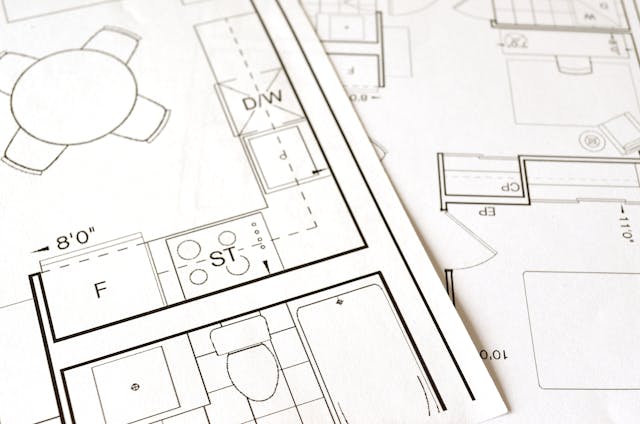
Planning ahead is the first step to avoiding costly mistakes.
· Set a realistic budget.It’s important to ensure the space matches your financial capacity for renovations. Avoid signing a lease for a property that will require more work than your budget can handle.
· Understand the lease terms. Always confirm what changes you are allowed to make to the structure, layout and décor of the space. Make sure you understand both the tenant’s and landlord’s responsibilities for maintenance and operational costs. Be aware of any restrictions, design guidelines or caps on improvements.
· Set realistic timelines.You want your space to be ready when you need it. Development and occupancy permits in Metro Vancouver can take weeks or even months to get approval so research the lead times for every phase of your tenant improvement project.Prevent a situation where you must pay for two office spaces because your new one isn’t ready. Even worse, you could face the problem that your new space isn’t ready, and your existing space is no longer available to you.
DON’T commit to a property before assessing cost, challenges,and schedule feasibility.
Falling in love with a space without a plan will lead to financial and operational roadblocks later.

DO: Work with Your Space, Not Against It
Every property has unique features that can become assets rather than obstacles. These features and the character of the space should fit with your business operations and vision. As an example, if your business requires controlled lighting (like an optometrist) having large bay windows in every room will be detrimental to your operations. If this is the case, you will be pouring excess amounts of money and resources into your project when you should be looking fora more appropriate space.
· Identify natural advantages. Take features such as abundant light, attractive views, open floorplans or architectural details and incorporate them into your design.
· Maximize the existing infrastructure. If the space has an existing sub-floor, ethernet cables, electrical outlets or other systems, plan your space to take advantage of what is already in place and save on costs.
DON’T ignore the existing features of your space or attempt to completely overhaul everything.
Fighting the structure often increases costs and delays when you could be choosing a more appropriate space.

DO: Balance Needs vs. Wants
Prioritize the elements essential for your business operations over non-functional design choices. A giant boardroom for a small industrial plant may feel luxurious, but if you don’t host meetings on-site, the space goes unused, and your budget was wasted.
· Priority items should be critical for daily operations, compliance, or safety.
· Evaluate your business needs and ensure that all features (open layouts, meeting rooms, workstations, assembly lines)which are vital to your operations are included in your new space.
· Accessibility is important and you should ensure compliance with both the British Columbia Building Code(BCBC) and local accessibility standards. Features like ramps, door widths, and accessible washrooms are essential for inclusivity.
· HVAC and Energy Efficiency should be considered. Vancouver’s mild but damp climate means proper heating,ventilation, and humidity control are critical for comfort and energy savings.Consider energy-efficient systems to reduce long-term operating costs.
· Safety systems such as fire alarms, sprinklers, and emergency lighting must meet BC Fire Code regulations and city-specific requirements to keep occupants safe and ensure your space passes inspection.
· Nice-to-have features should enhance aesthetics but are not essential to functionality.
DON’T prioritize cosmetic upgrades over functional necessities.
Overcommitting to non-essential features can strain both your budget and timeline. A visually appealing space is only valuable if it supports smooth operations, comfort and safety.

DO: Work with a Trusted Local Design-Build Firm
Partnering with an experienced design-build firm can make the difference between a smooth tenant improvement project and a stressful one. Unlike traditional contractors,design-build teams can handle both the design and construction aspects,ensuring seamless coordination, fewer delays, and better budget control from the start.
· Local expertise, understands municipal regulations, permitting processes, and building codes, helping your project stay compliant and on schedule.
· Collaborate with your design-build team or builder to explore cost-effective solutions and potential enhancements that improve the space without exceeding your budget.
· Integrated Process- with design and construction under one roof, your team can quickly resolve issues,adapt to unexpected changes, and make informed decisions that balance aesthetics, functionality, and budget.
· Transparent planning comes with experienced design-build firms. They will provide clear budgets, realistic timelines, and proactive communication, helping you avoid surprises during your project.
DON’T hire separate designers and contractors without addressing coordination challenges.
Misaligned teams can lead to delays, cost overruns, miscommunication or other issues that result in a blame-game between your designers and contractors.
Ready to Transform Your Space?
Tenant improvements don’t have to be stressful. With thoughtful planning and the right team, transforming your space can be an exciting step for your business, staff and clients. With 20 years of experience, Novell Design Build has helped businesses across Metro Vancouver turn their tenant improvement projects into functional, beautiful spaces. Reach out to our team and receive a complimentary consultation. Together, we can create a space that works as hard as your team does.