Pocket doors are one of those design elements that look deceptively simple on a floor plan- and spark a lot of debate behind the scenes. As designers, we reach for them often…and just as often, we pause. When they are done right, pocket doors can feel elegant, intentional, and incredibly practical. When they’re navigated poorly (or in the wrong place), they can quickly become a source of frustration. Here’s Novell Design Build’s candid take on why we love them, why we hesitate, and how to decide if they are right for your home.

Why Designers Love'em
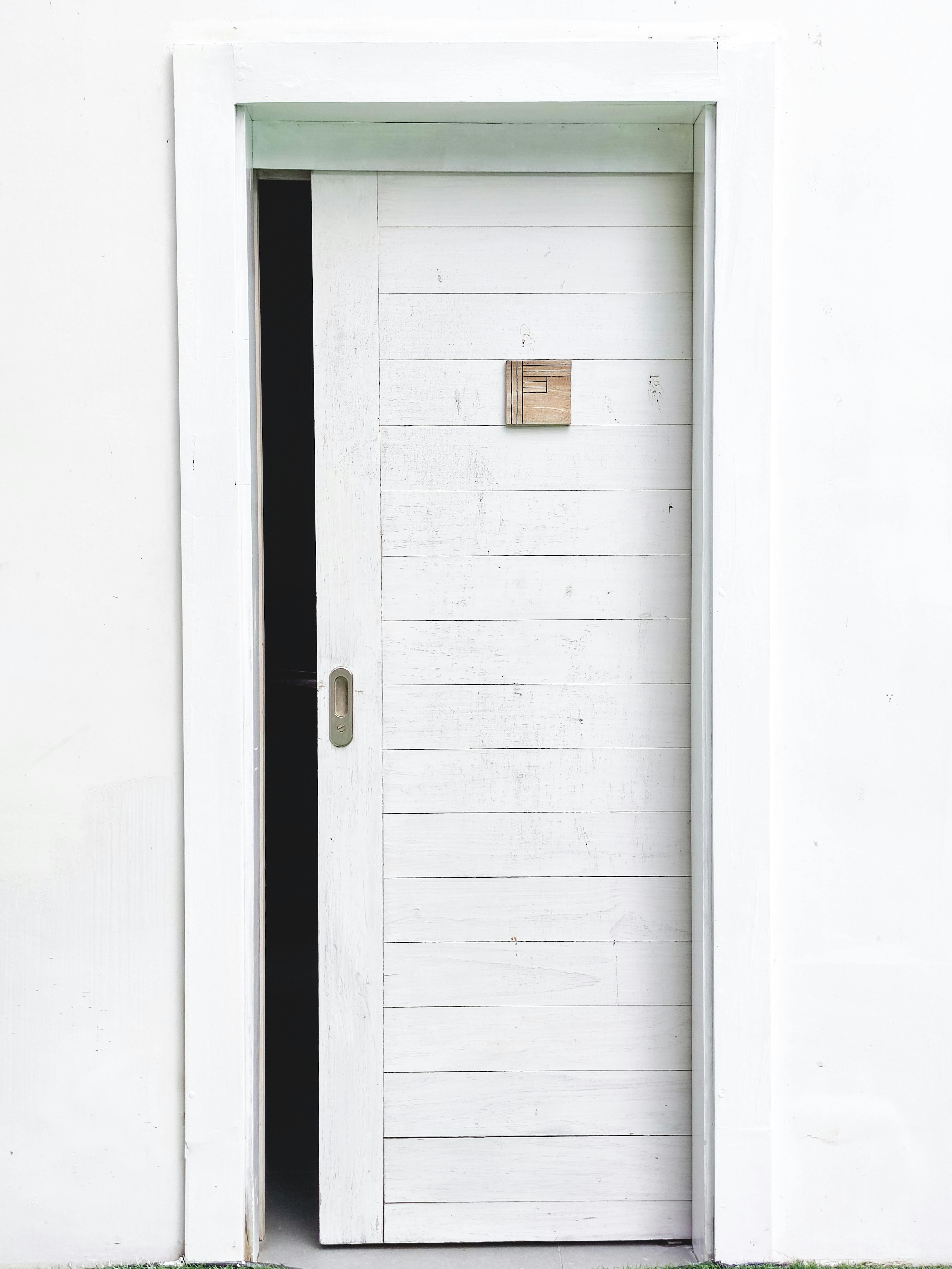
They disappear when not in use. One of the biggest appeals is visual clarity. When open, a pocket door completely disappears into the wall, creating a clean, uninterrupted space- something hinged doors cannot replicate.
They are ideal for tight spaces. Pocket doors free up valuable floor and wall swing space, which in invaluable in compact areas such as:
- Bathrooms and ensuites
- Pantries
- Laundry rooms
- Closets
They help resolve layout challenges. Where furniture placement or circulation would otherwise be compromised, pocket doors can quietly solve the problem without bringing attention to themselves. They offer flexibility between open and closed spaces. Pocket doors are useful in rooms that serve multiple purposes- such as:
- Office and guest room combinations
- Dining rooms
- TV or flex rooms
They can create wider, cleaner openings. Unlike swing doors, where the door leaf and hardware reduce the clear opening, pocket doors can provide a larger, more accessible opening- particularly helpful in bathrooms.
No door conflicts. There are no risks of doors colliding with cabinetry, fixtures, or adjacent doors- a small detail that makes a monumental difference in small spaces.
Why Designers Hesitate
Reduced sound insulation. Even high-quality pocket doors don’t seal as tightly as swing doors. This makes them less suitable for rooms where acoustic privacy is important, such as:
- Primary bedrooms, where privacy is critical
- High-use family bathrooms
- Media rooms
- Home offices used for calls or meetings
- Walls that need structure, storage, or services
- Budget-sensitive projects relying on off-the-shelf hardware
You lose the wall- literally. A pocket door requires a clear cavity inside the wall, which means you typically can’t place:
- Electrical outlets or switches
- Plumbing fixtures
- Structural shear walls
- Wall hooks
- Wall-mounted cabinetry or artwork
For many projects, this is the biggest trade-off and required careful and thoughtful planning.
Some important considerations are:
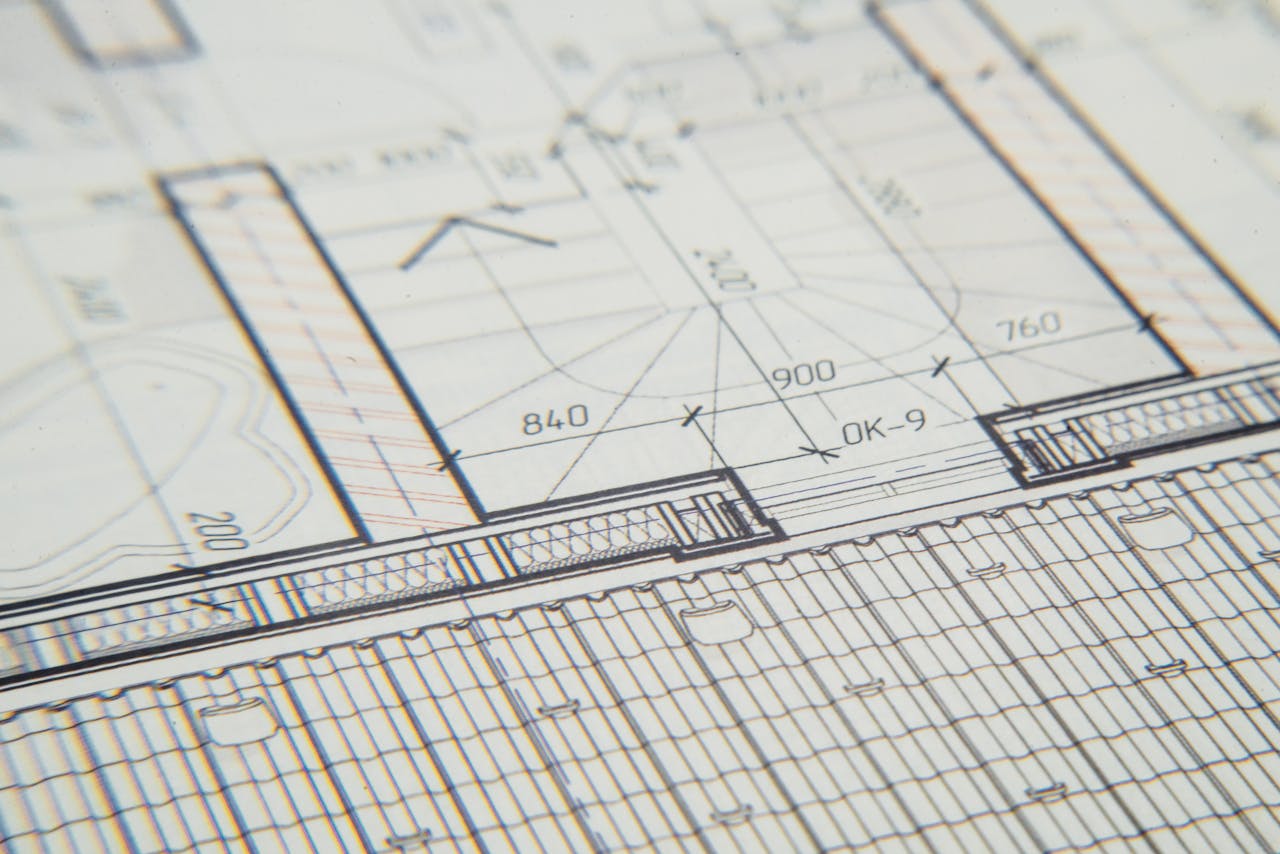
More complex construction. - Pocket doors demand precise framing and coordination. Retrofitting them into existing homes (especially load-bearing walls) can be disruptive and costly.
Maintenance matters. - Even the best pocket door systems include moving parts. Over time, tracks and hardware may need adjustment. Without planned access panels, repairs often require opening the wall.
Hardware quality is non-negotiable. - Budget pocket door kits are famous for sticking, rattling, or derailing. Investing in premium hardware is essential- but even then, pocket doors will always require more attention than a standard hinged door.
Usability quirks. - They are slightly less intuitive to operate and can be challenging for people with limited grip strength unless
Design-Build Pro Tips
If you’re considering pocket doors in a custom home or renovation, a few best practices go a long way:
- Allocate enough budget for solid-core doors and premium soft-close hardware
- Consider double pocket doors for large openings- they feel architectural and intentional rather than utilitarian
- Coordinate early with electrical, structural, and millwork planning to avoid conflicts later
This is where a design-build approach makes a world of a difference. At Novell Design Build, these conversations happen early- long before framing- so items like pocket doors enhance your home rather than limit it. If you’re unsure whether pocket doors are right for your space, a conversation early in the process can help provide clarify and avoid costly trade-offs later. If you have questions about your home renovation reach out to the Novell team for a complimentary consultation to help explore what will work best for your home and how you live in it.