Laneway or coach homes may be a relatively new addition to the Vancouver and Lower Mainland housing market but have become stitched into our communities. While they can be diminutive in size, that doesn’t mean they don’t have a lot to offer. They are a great option for those seeking to incorporate multi-generational living on their property, add rental income, or as a personal retreat. Successfully designing a small home that is both beautiful and functional requires thoughtful planning. Your laneway home should feel comfortable and livable while maximizing usage of the building’s footprint. Just because space is at a premium, doesn’t mean it has to feel like a tiny little box.
Start with local zoning and regulations
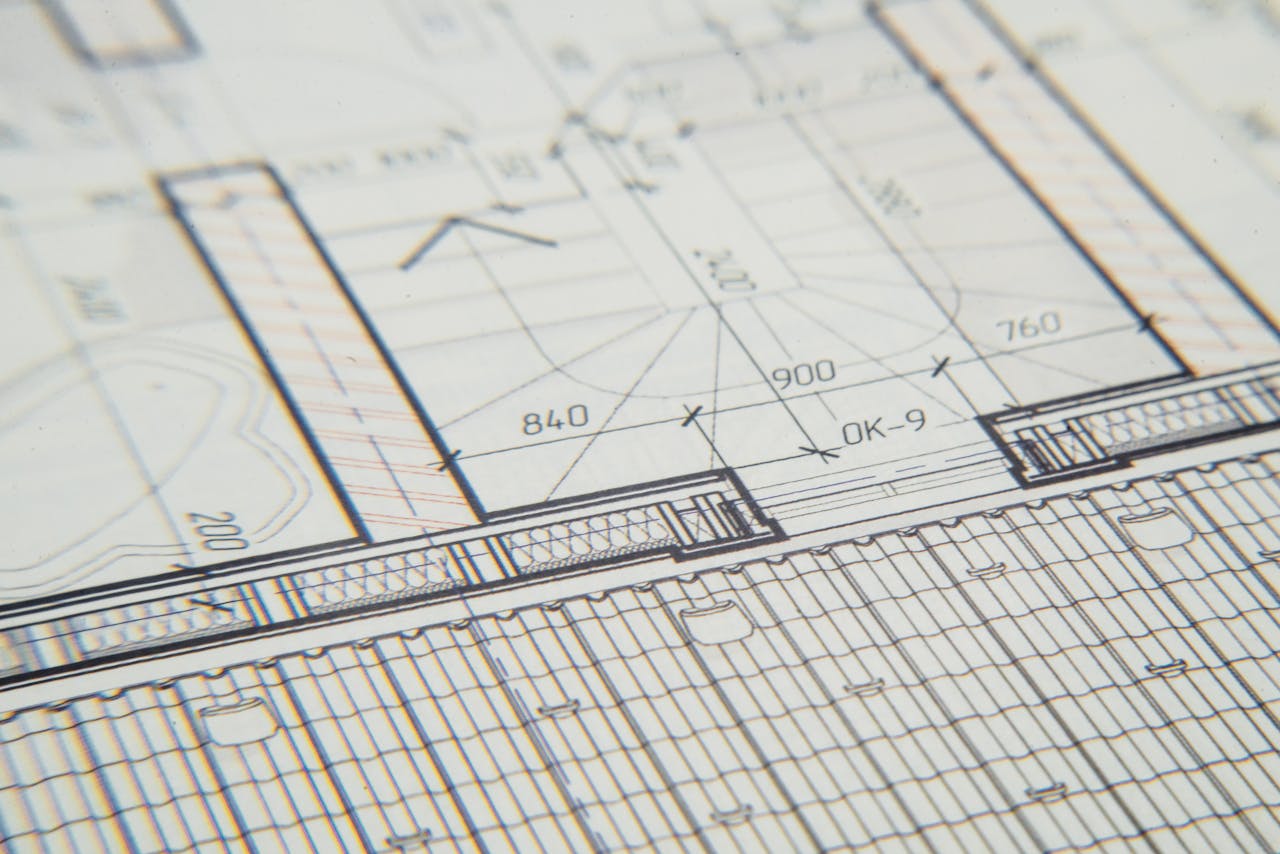
· Know the rules. Each municipality in the lower mainland has it’s own set of regulations. These include setbacks, building height, lot coverage, property access and parking requirements. Researching these regulations and/or consulting with an expert ensures your home gets permitted & built with minimal delays and frustration.
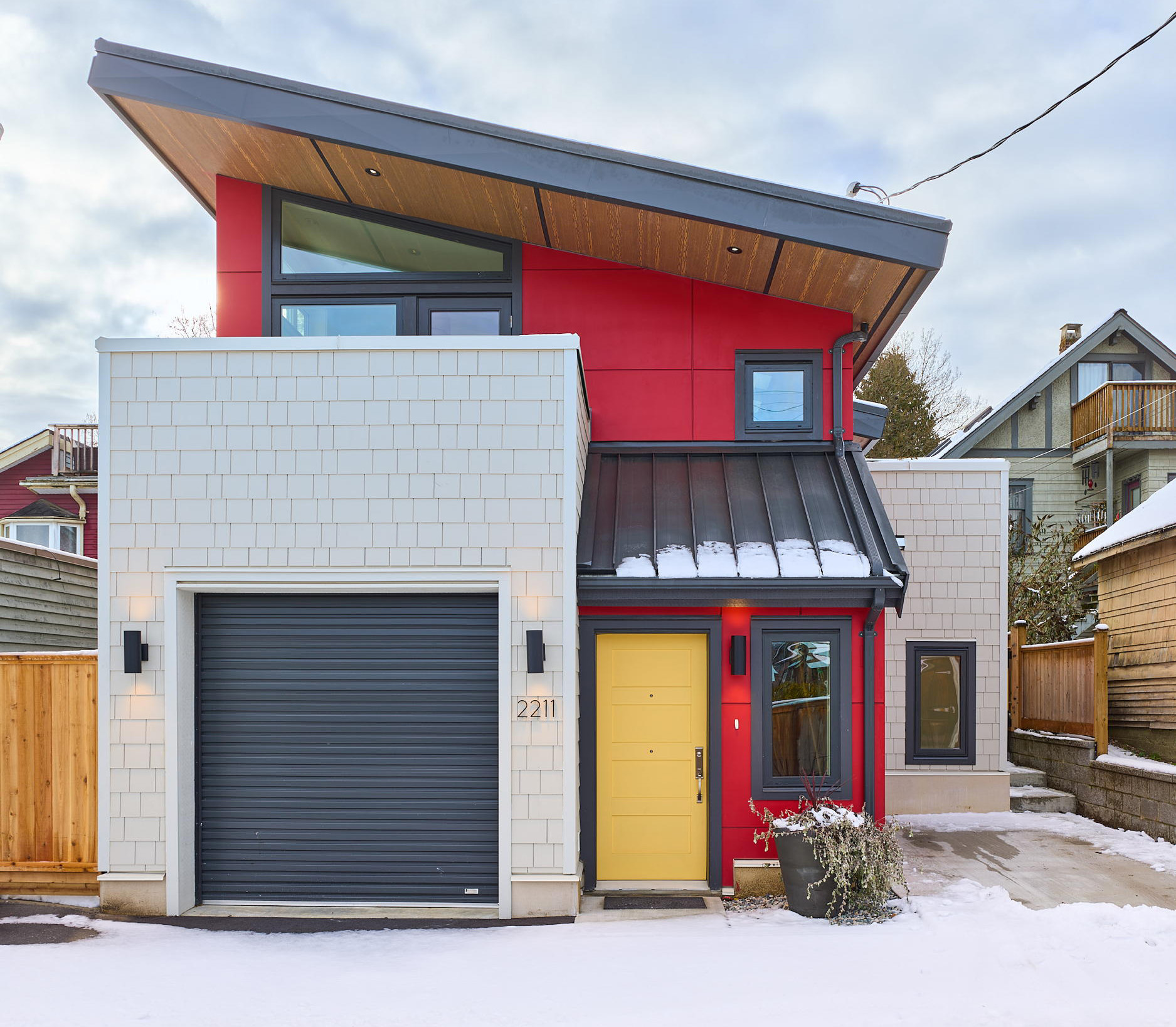
Feel welcome as you approach
· A home that fits. Connect your home to the main house by matching design styles and features. Your laneway home should becompatible with other structures on the property and in the neighbourhood.
· Street facing doors. Most traditional single family home front doors face the street, make the entry feel natural for the laneway home.

A place you want to be
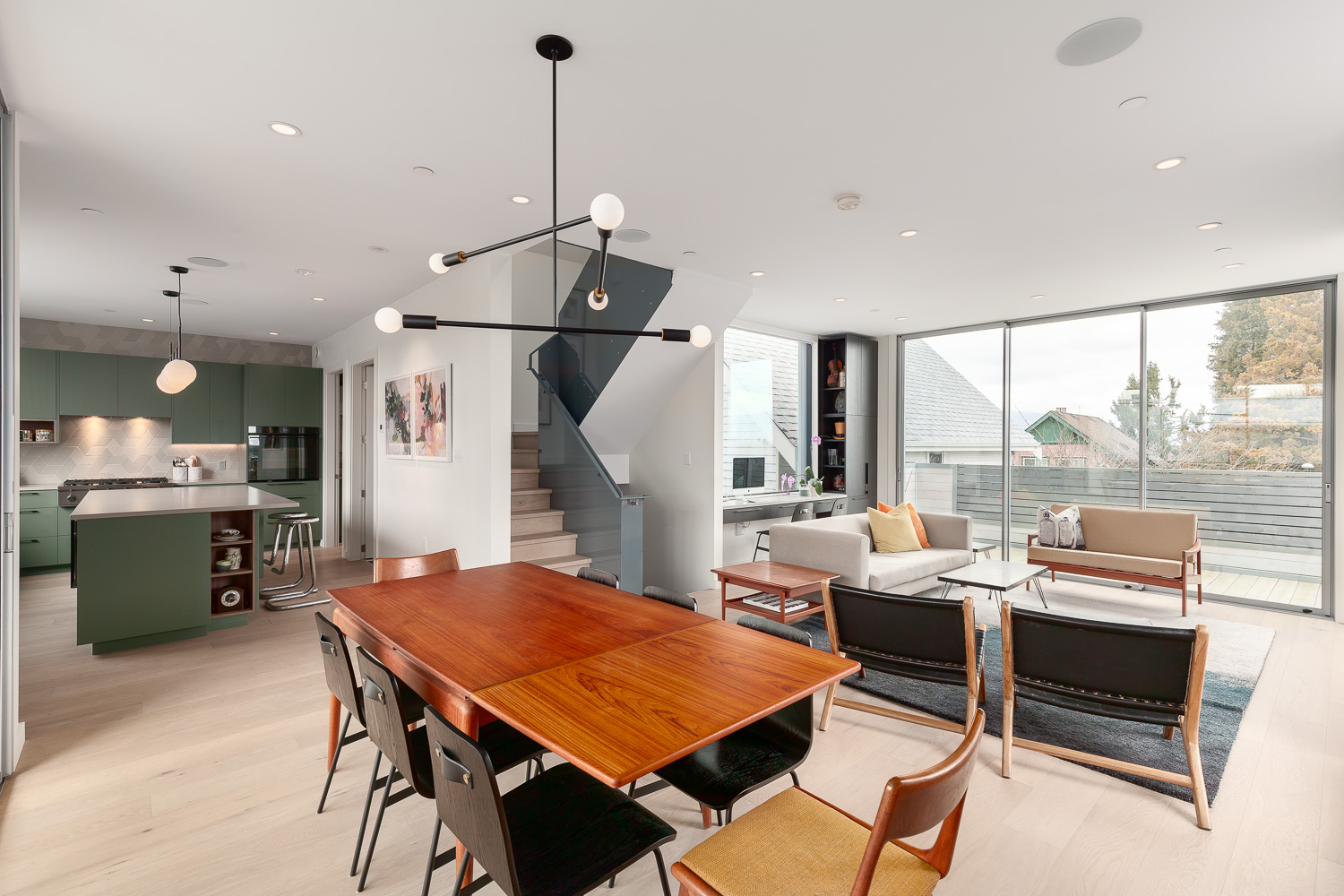
· Open layouts work wonders. Removing unnecessary walls creates a natural flow between kitchen, living, and dining area. Fewer barriers help light to travel through your home and makes even a compact space feel airy.
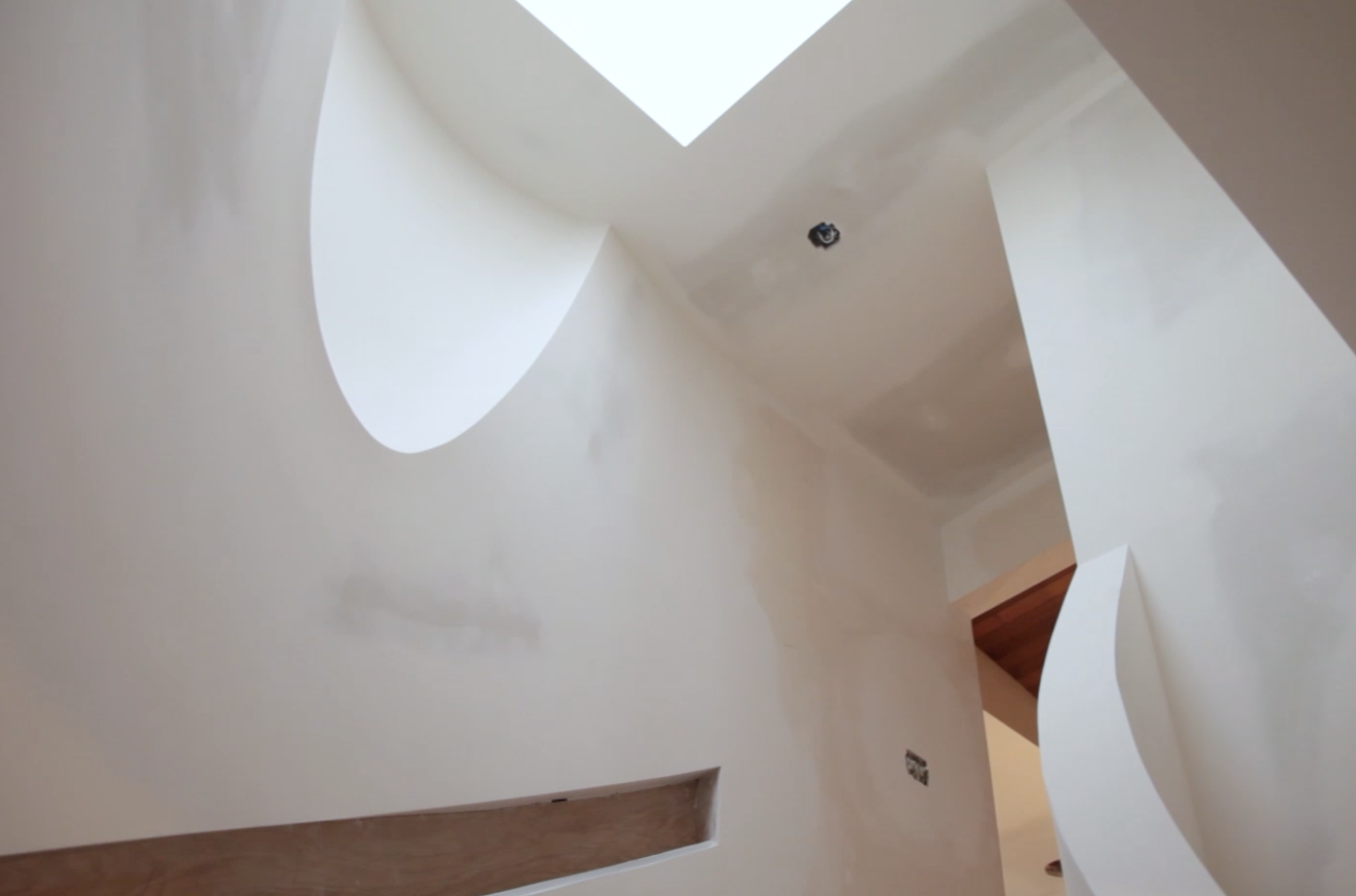
· Think vertical. High ceilings, lofted bedrooms,floor to ceiling shelving, and tall cabinets maximize vertical space. This is a great way to add a larger feel, practical storage and functional zones.

Embrace the Light
· Maximize windows and skylights.Natural light instantly makes a home feel larger and more welcoming.
· Mirrors amplify light.Place a mirror across from a window to reflect sunlight and create depth.Mirror furniture or subtle reflective surfaces can further enhance brightness.
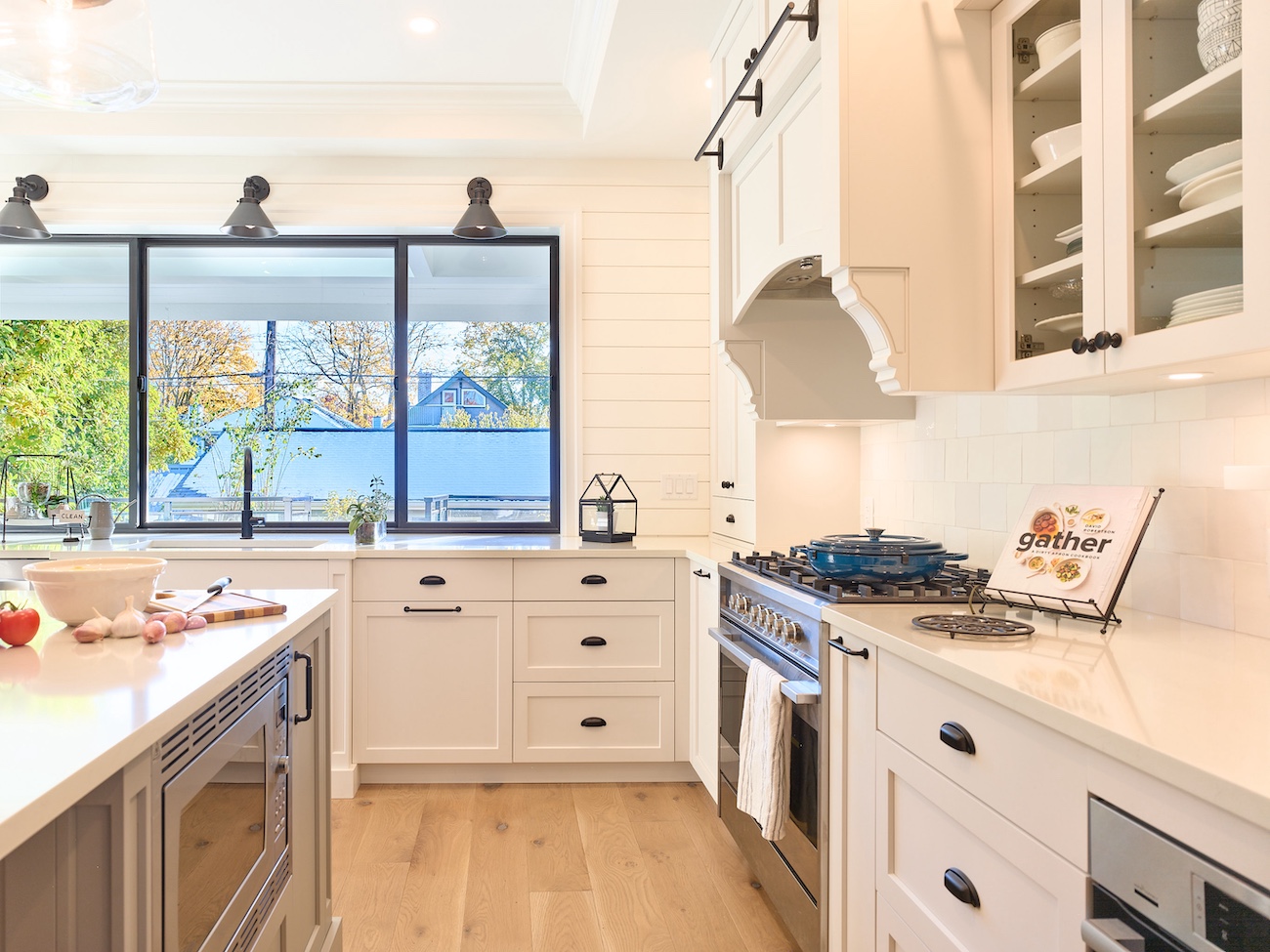
· Incorporate light colours.Whites, creams, and soft neutrals open up your space, while a pop of colour through accessories add personality without crowding the room.

Don’t forget about privacy
· Managing sitelines is key. Keep your windows from peering into the neighbours or the main home on the property so the occupants can feel private in their space. Frosted glass is a great option to add natural light without losing privacy.
· Not seen or heard. Good sound insulation keeps the laneway residents secluded from main home and the neighbourhood noises.
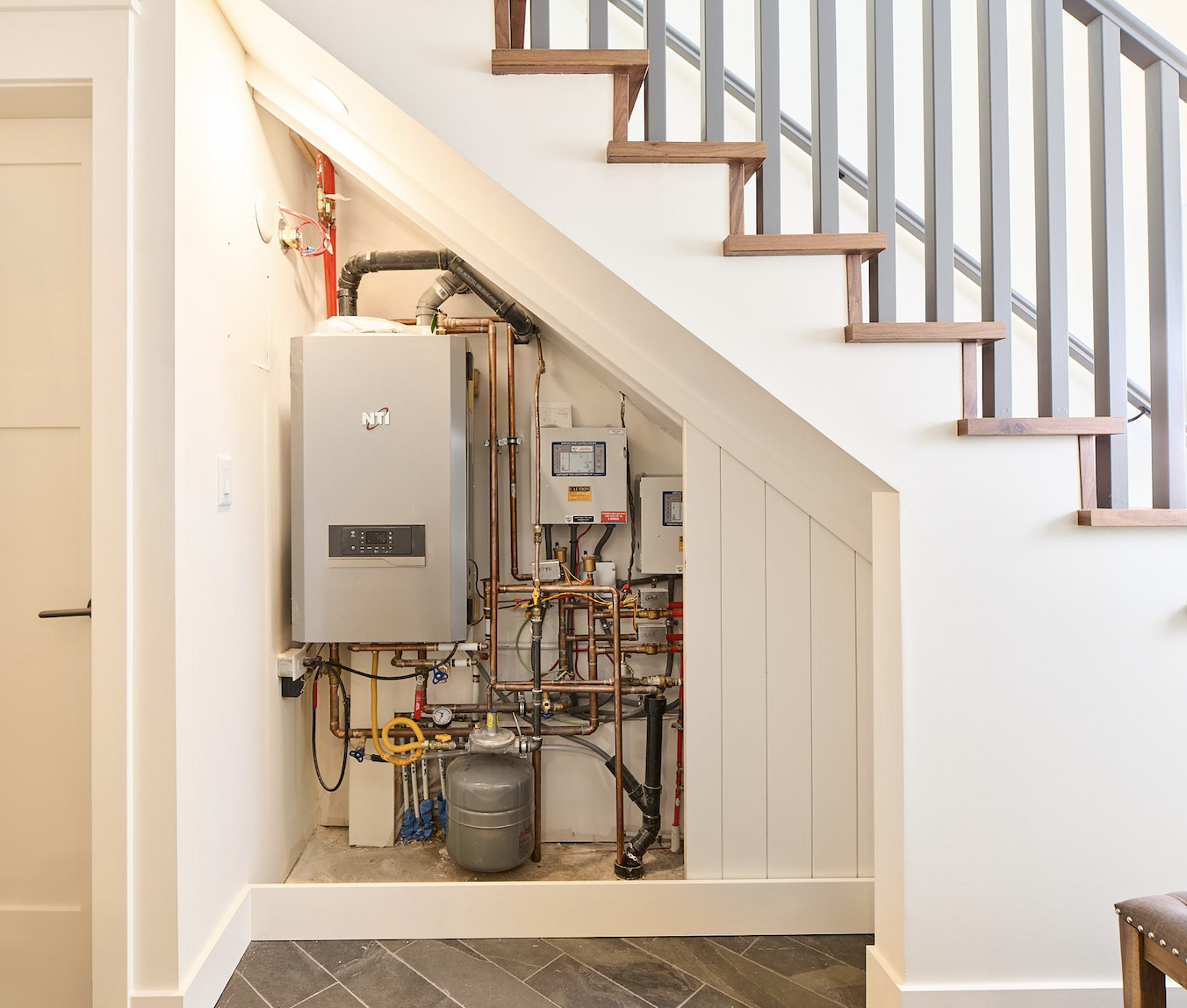
Smart Furniture and Storage
· Consider multi-functional pieces like sofa beds, storage ottomans, or extendable tables to adapt to your needs.
· Custom-built solutions like murphy beds, built-in benches, and under-stair storage maximize thefunctionality of each square foot.
· Use every nook. Corners,alcoves, and under-loft areas provide valuable hidden storage for dailyessentials.

A simple look
· Less is more. In small spaces, clean lines and a minimalist look create a sense of calm and openness.
· Prioritize function. Every item should earn its place, letting the home breathe and feel uncluttered.
Conclusion
Choosing an experienced and professional design-build home builder will ensure your laneway home is not only well-designed but also built efficiently and thoughtfully. Your builder should inspire confidence and peace of mind throughout the process. If you are ready to plan your laneway home project, contact us here for a free consultation.