Are you planning to build an infill home in the Lower Mainland? Is there an existing structure that predates the 1980’s on your lot? Legacy buildings and infrastructure which doesn’t meet current environmental standards can create many challenges for your project. These may result in cost overruns,delays or even completely halt your progress. Before construction, make sure you identify and address any legacy infrastructure and contamination risks. Here are 7 environmental challenges when building an infill in Greater Vancouver:
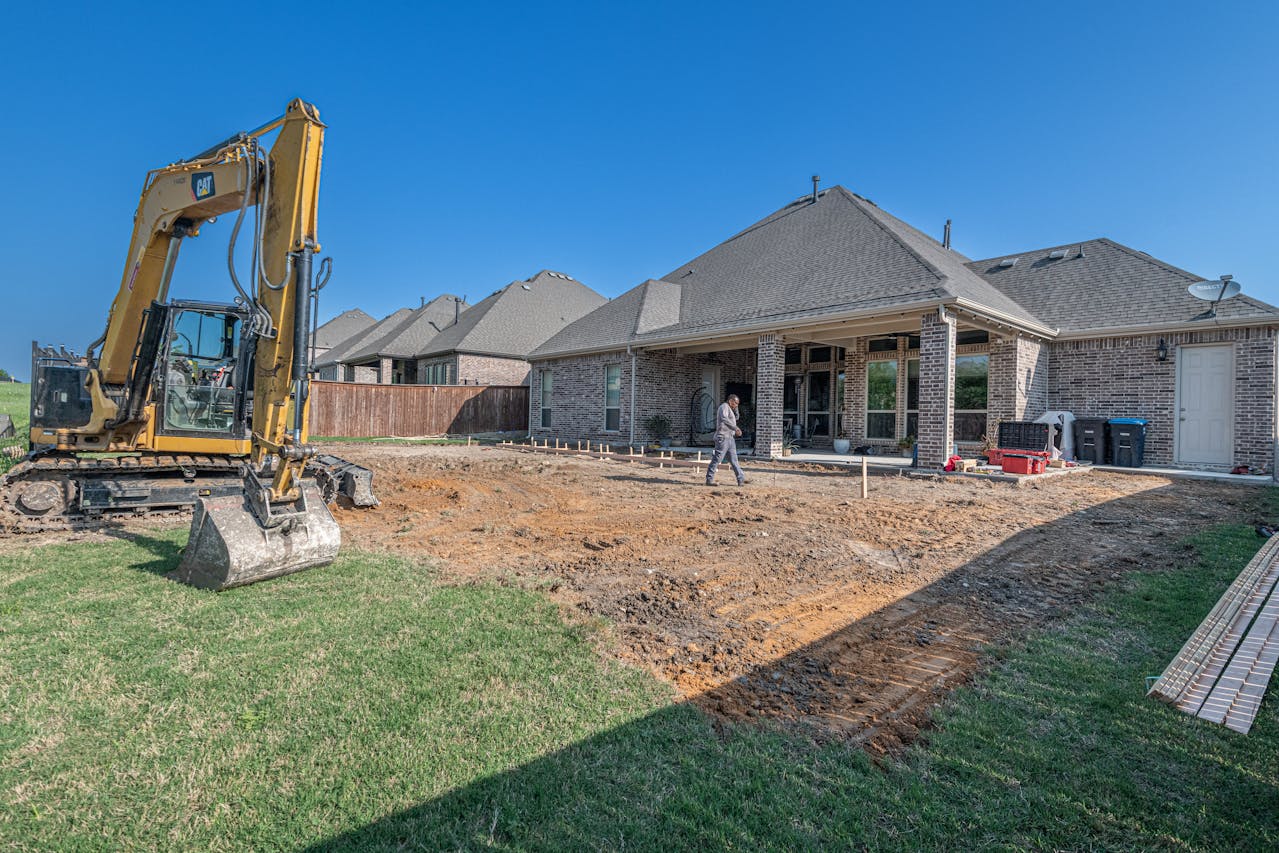
1. Underground Oil Storage Tanks
Many Vancouver homes built before the 1970s used oil-fired heating and some still have buried oil tanks. These tanks can leak and contaminate your soil and the groundwater. Oil tanks have to be removed to get your building permits and you will need to have the soil tested. Depending on the results, you may have to remove contaminated soils and complete an environmental remediation to meet BC Ministry Of Environment standards. This can add weeks to months of delays and thousands of dollars in additional costs.
2. Septic Systems
Older properties may have historical septic systems, even if the property was later connected to city sewer. While uncommon in Vancouver itself, many of the outer lying area of the Lower Mainland were once rural and may have been on well water and septic systems. If you have an old septic field, the field will need to be located, properly decommissioned and disposed of.Much like an old oil tank, this can both add delays and costs to your home.

3. Abandoned Utilities and Infrastructure
You may have abandoned utilities or other infrastructure if your property had different buildings on it in the past or was zoned for a different type of use like industrial land. This may mean you have old gas lines on your property, cisterns, sewer connections, wells or electrical lines.These systems need to be properly located, removed and/or capped so that you meet environmental guidelines and safety standards. It’s also important to have these eliminated so you don’t incur charges from BC Hydro or Fortis BC for utility hook ups no longer in service.

4. Contaminated Soil
Even without legacy infrastructure, your building site may contain contaminated soils with:
· Heavy Metals: Lead, Zinc, Copper, Arsenic,Mercury, Cadmium are common, often from industrial history, urban fill, and even traffic.
· Petroleum Hydrocarbons (PHCs): Fuel, oil, and lubricants from old gas stations, industrial sites, and railway activities.
· Industrial Chemicals: Solvents (like chlorinated solvents), PCBs (Polychlorinated Biphenyls), and other industrial by products from former manufacturing or dry cleaning operations.
· Pesticides/Herbicides: Residual chemicals from past land use.
If any of these contaminants are found, you will need a soil assessment. Depending on the soil assessment, you may have to remove some or all of the soil to match BC Ministry Of Environment standards, risking delays and additional costs.

5. Asbestos-Containing Materials
Asbestos was a wonder material of the bygone era, this fibrous silicate material is an excellent thermal insulator while being highly fire resistant. Found in over 3,000 household materials, it is very toxic and poisonous to humans. Inhalation of asbestos can lead to many lung conditions,including COPD, Mesothelioma and lung cancer. If your tear down home predates1990 a mandatory asbestos survey will need to be completed. If asbestos is found,it needs to be disposed of carefully and properly by certified contractors. Commonly asbestos can be found in:
- Insulation
- Roof tiles
- Vinyl floor tiles
- Drop Ceilings
- Drywall Compound
- Exterior siding
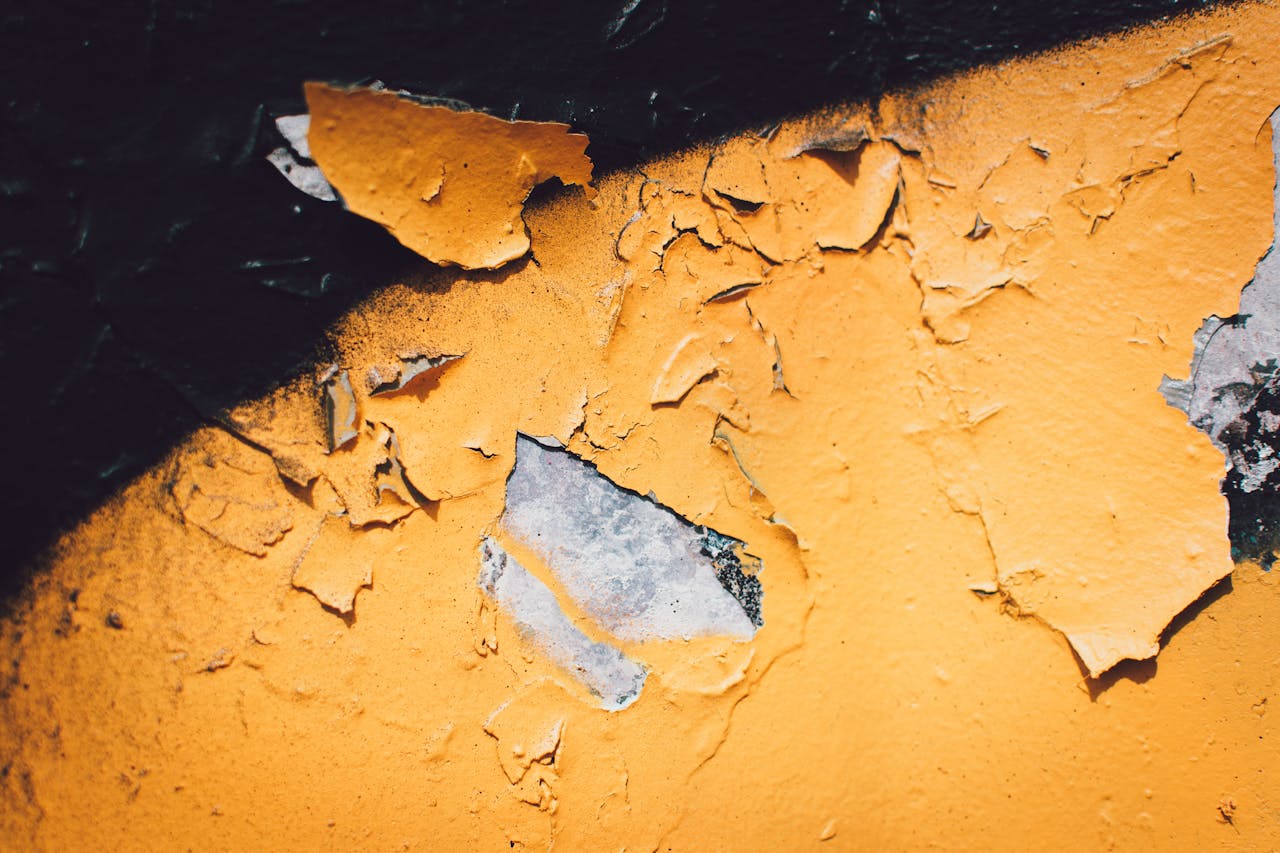
6. Lead-Based Paint
Homes built before the early 1980s frequently contain lead paint. While not always visible, lead dust poses health and environmental risks during demolition and excavation. Lead paint coated materials must be carefully handled using controlled procedures.
7. Tree Roots and Legacy Landscaping Features
We all love big, beautiful gardens. However, your lot may have large trees that impede the building of your new infill. There may also be hidden in-ground sprinkler systems, ponds, retaining walls or other landscape elements. When it’s time to start excavating for your new foundation, you may find one or more of these features impedes your construction. Improper removal of these items can cause soil instability, erosion, or conflicts with Vancouver’s Tree Protection Bylaw, which often requires permits and replacement planting.
What should you do?
Before beginning your demolition phase of your infill, make sure your builder has done an environmental assessment including researching historical information the city may have about your lot. Failing to identify these items early can hold up your home project with:
- Permit delays
- Unexpected remediation costs
- Construction stoppages
- Liability for environmental damage
If you are considering an infill in Vancouver, Burnaby or anywhere in the lower mainland and would like a free consultation on your environmental challenges, contact our design/build team here.