Laneway houses in Vancouver
As Vancouverites are accepting living in a denser city, interest in laneway houses is increasing. The City has proposed recent amendments that would make eligible lots across all single-family zones. Prerequisites such as fire lane access, lot width and maintaining access to a back laneway must be met before building begins (check out City of Vancouver for more information).
What is a laneway house?
Laneway houses are small homes that are built at the rear of existing properties, open onto a laneway and include both a dwelling unit and parking. The size of a laneway house is based on the size of the actual lot (to a maximum of 900 square feet). They remain under title and ownership of the primary residence and are allowed in addition to a secondary suite in the main home.
Did you know? Building a laneway doesn’t mean losing green space. Our recent laneway project started with a concrete parking pad larger than the space where the new laneway house is being built. There is actually a net increase in green space!
Why are laneway homes so popular?
A laneway house is an attractive housing option for various people. Baby Boomers are attracted by the prospect of downsizing and comfortably aging in home. For younger professionals, a laneway house can be an affordable living option. They are also versatile for growing and multigenerational families looking to live closer together. But occupants of these small homes are not the only ones who can benefit. While increasing the property's overall value, laneway houses can be a source of rental income, which may help to subsidize an existing mortgage.
The trend of living small
Small living is a recent phenomenon in Vancouver; North Americans are not as familiar with the concept as our European and Asian counterparts. Vancouver residents looking to lower their living costs and ecological footprints have adopted this trend of living with less. A well-designed laneway house can make the most of small living area by using innovative storage solutions, convertible components, and thoughtful connections to the outside environment.Laneway houses have become a great investment opportunity for homeowners and they mark a turning point in the way Vancouverites think about housing for the future: We’re all going to have to be comfortable living closer together.
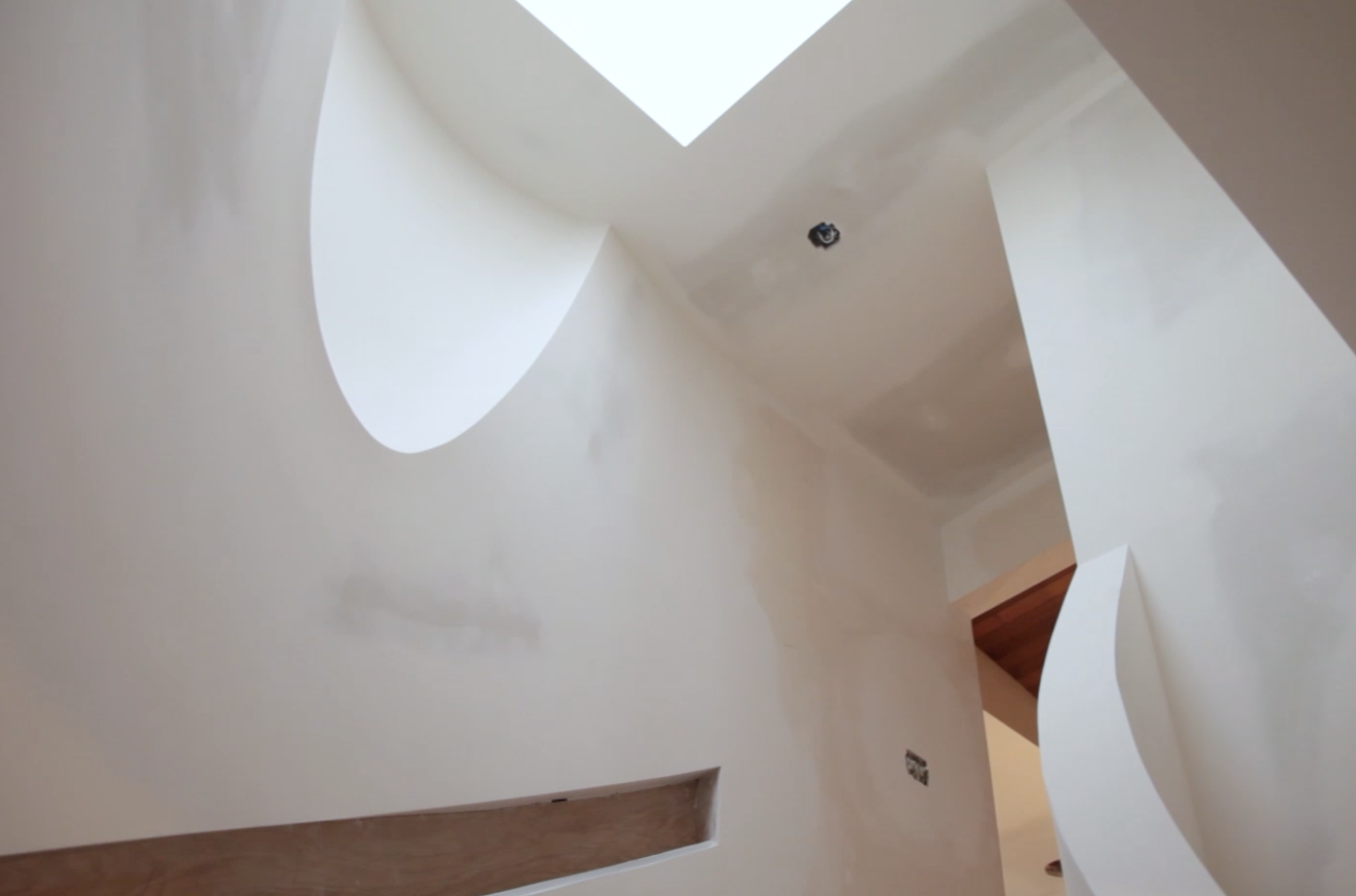
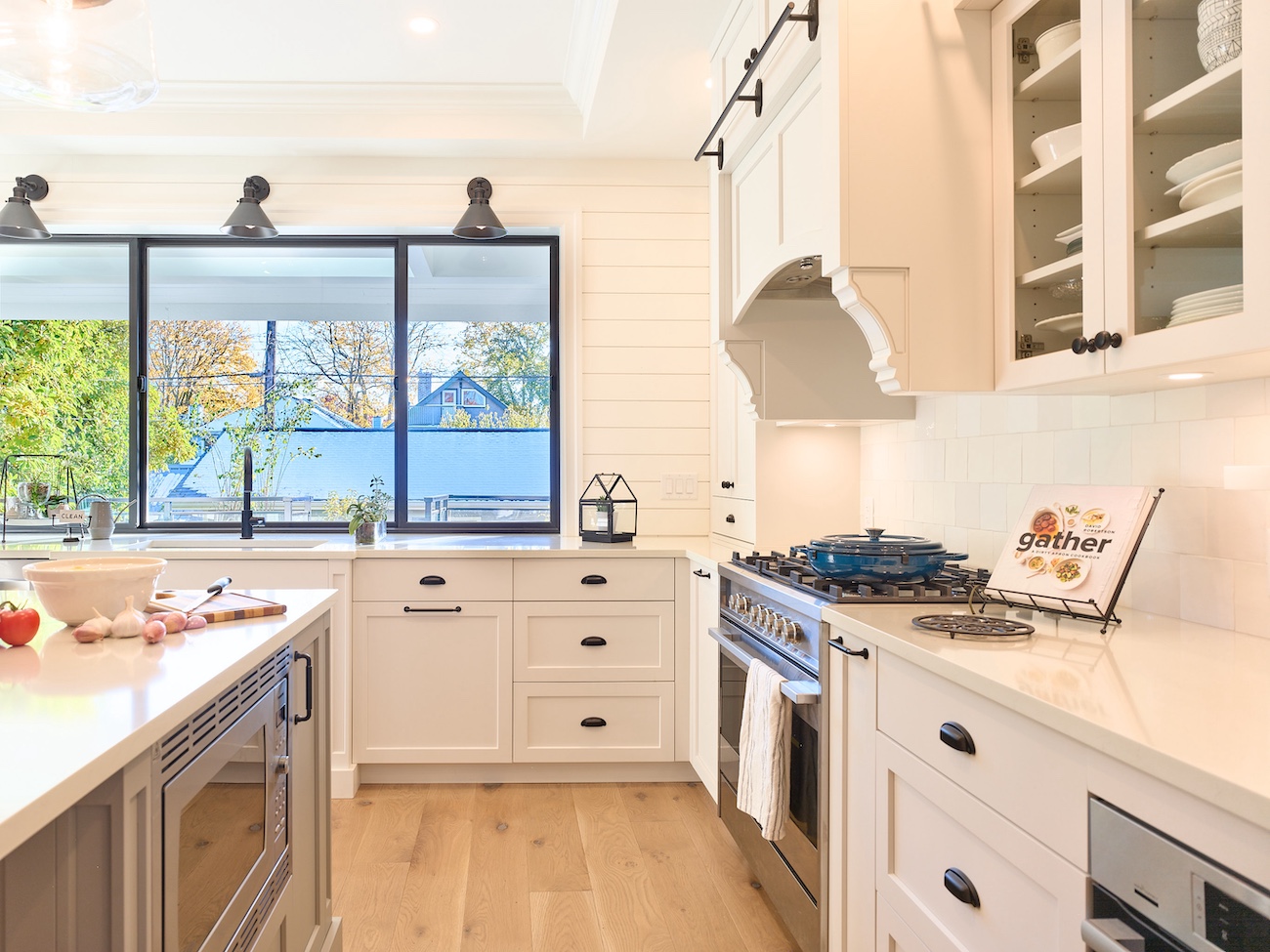
Our laneway project turning thoughtful solutions into meaningful spaces.

Stay tuned for Part 2 in our Laneway series when we discuss living solutions for your small home. Coming Saturday September 21st!
Crazy about laneway living or just want to learn more? Visit our very first laneway house on October 19th as part of the Vancouver Heritage Foundation’s Laneway House Tour!
For more information and how you can purchase tickets (all proceeds benefiting the Vancouver Heritage Foundation), click here.